Companies in Canada’s manufacturing sector innovate constantly to improve processes and maximize productivity. So, R&D is a key activity for successful, sustainable manufacturing businesses. But many companies are missing out on a generous benefit that could allow them to reclaim up to 35% for qualifying Canadian-controlled private corporations (CCPCs), with lower rates (typically 15%) applicable to other entities, plus provincial incentives.
A benefit for Canadian manufacturing companies
Manufacturing represents 10% of Canada’s GDP and provides 1.7 million full-time jobs, according to the Government of Canada. Keen to maintain Canada’s business productivity within a competitive global economy, the government has several schemes to stimulate innovation, including the SR&ED tax credit.
This innovation tax credit (ITC) is a generous scheme that allows a manufacturing company to reclaim part of their development costs from the government in the form of a reduction in their tax bill.
Benefits to manufacturers of applying for the SR&ED tax credit
Canada’s vibrant manufacturing sector operates within a complex global supply chain. A highly skilled and knowledgeable workforce permits rapid integration of new ideas that allow Canada’s manufacturers to operate on an even footing with international competitors.
This tax credit, which can represent 35% of development costs (15% for non CCPCs), gives Canadian manufacturing companies a competitive edge, allowing them to get innovations working more rapidly. This helps them to improve processes, reduce scrap and make products more durable for better sustainability.
Discover more about the financial benefits for SR&ED applicants from our article.
Wondering how much you could reclaim by applying for SR&ED? Try our SR&ED calculator.
Examples of manufacturing projects eligible for the SR&ED tax credit
These are examples of R&D projects by manufacturers that are likely to result in a successful SR&ED application.
Redesigning processes for faster production
A plastics manufacturer needs to meet an ambitious production target to make itself competitive within the marketplace. It redesigns a production process through experimentation while optimizing production parameters.
Prototyping a new tool for food production
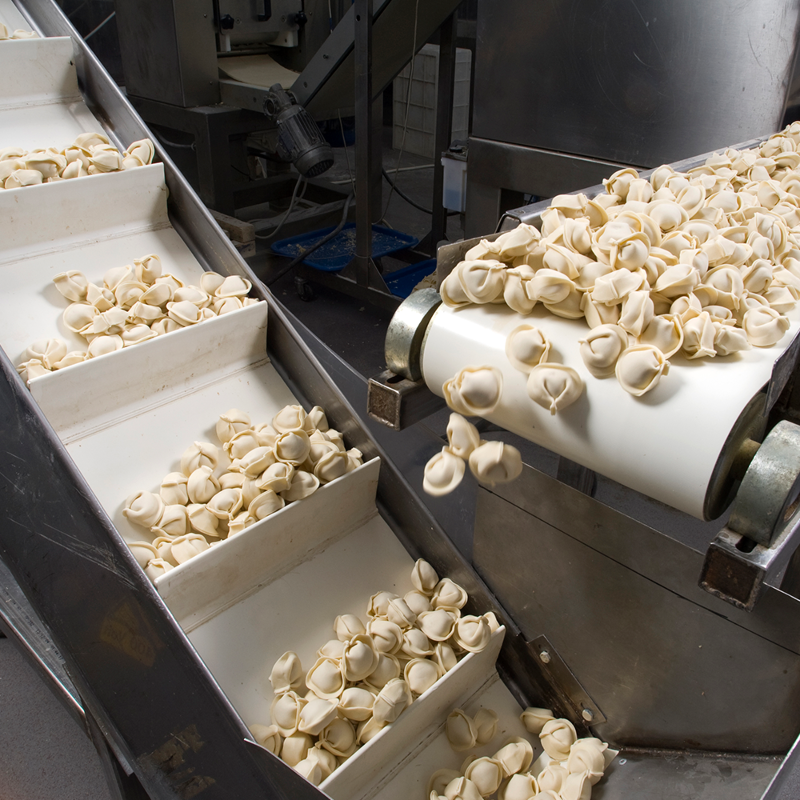
A food manufacturer is not satisfied with the robustness of a commercially available tool used in its production process, so it designs and tests a set of prototypes to compare performance. Some of the prototypes are more robust, but producing them is expensive, and it is more cost effective to use and replace the commercially available tool. It is considering patenting the designs.
The project did not produce a successful design, but it did produce an incremental but meaningful technological advancement.
How to make an SR&ED ITC claim
Companies claim the SR&ED tax credit while doing their annual tax return with the CRA. There are strict deadlines for claiming ITC, and it’s not possible to make an application once the date has passed. Manufacturers claiming the SR&ED credit will need to describe their research as part of the application, and supply a list of eligible expenditure.
Getting expert advice on your SR&ED application
The CRA’s tests for SR&ED eligibility are not always easy to apply to a manufacturing context, so if you have questions about your application, turn to the experts at Canadian SR&ED. We can answer all your queries, evaluate your R&D work and streamline the application process to ensure you get the most out of this generous tax credit. Get in touch to find out how we can help with your SR&ED application.
Supporting business that contribute to the world through R&D